Cute White Paper: A Review for Business Branding and Merch Use
First Impressions: Friendly, Delicate, and Thoughtfully Designed
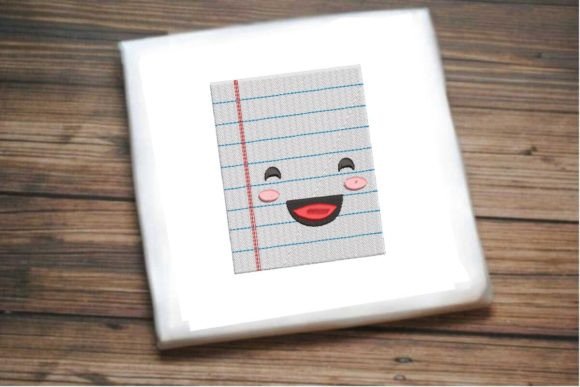
As an embroidery designer evaluating Cute White Paper, the first thing that stands out is its delicate charm. The name itself evokes a sense of simplicity and elegance, and the description hints at a design crafted with precision. This machine embroidery design feels playful yet professional, making it a versatile option for small businesses looking to add a soft, approachable touch to their branded merchandise.
It's clear this design leans into a more whimsical aesthetic, which could resonate well with niche markets such as boutique shops, craft studios, or educational-themed businesses. It doesn't scream bold or rustic—it whispers elegance and handmade appeal, which is perfect for certain branding strategies.
Real-World Business Applications: From Patches to Product Labels
When considering Cute White Paper for commercial embroidery, it’s important to think beyond decoration and into branding. This design could work well as an embroidered patch on tote bags or aprons, especially for small cafes, florists, or Etsy sellers looking to elevate their packaging or staff uniforms.
For boutique merchandise or customer gifts, Cute White Paper adds a subtle, premium feel. It could serve as a chest logo accent on staff uniforms, giving a polished but personable impression. On caps or sleeves, it would function more as a detail than a dominant logo—ideal for creative studios or local bakeries that want to maintain a soft, consistent visual identity.
As a branded product add-on, this design could be used on packaging accents or handmade product labels. It’s especially suited for businesses that want to convey a sense of care and craftsmanship in their presentation.
Where to Use Cute White Paper with Care
While Cute White Paper has a lot of charm, it’s best suited for specific applications. Due to its likely delicate outlines and detail work, it may not scale well for very small patch sizes or cap fronts where clarity is key. If the design includes tiny lettering or intricate elements, those could get lost on curved surfaces or when embroidered at a reduced size.
High stitch density can also be a concern, especially if the design includes fine lines or tight spacing. Embroidery shops should test the design on textured fabric to ensure clarity and definition. On dark uniforms, thread color contrast will be crucial—this is a white paper design, so visibility against darker backgrounds may require a backing or alternative thread choices.
For items that undergo frequent washing—like work shirts or aprons—consider how the design holds up under repeated stress. A test run on a sample fabric is always a smart move before full production.
Impact on Brand Identity and Customer Perception
Branding is more than just a logo—it’s about creating a consistent, memorable impression. Cute White Paper contributes to a brand identity that feels handmade, thoughtful, and approachable. For small businesses aiming to build customer trust through visual consistency, this design can serve as a signature touch across multiple product lines.
On customer-facing items like tote bags or gift tags, Cute White Paper enhances perceived product value without overpowering the overall design. It supports a visual narrative that says, “We care about the details,” which is especially important for Etsy sellers, craft businesses, and local brands.
When used across different merchandise—like embroidered patches, printable mockups, and digital embroidery files—it reinforces brand recognition. The key is to maintain consistency in size, placement, and color across all applications.
Practical Notes for Embroidery Designers and Merch Creators
Before incorporating Cute White Paper into any commercial embroidery project, here are some essential steps every embroidery shop or apparel decorator should take:
- Test in black and white first to assess clarity and contrast before committing to color threads.
- Check how it scales for small patch sizes—especially if you're planning to use it on sleeves or caps.
- Review thread color contrast carefully, especially for use on dark fabrics.
- Inspect spacing and stitch density to avoid a crowded or messy look on finer details.
- Confirm hoop size compatibility with your embroidery machine setup.
- Test on real fabric samples to see how the design performs on different textures and weights.
- Use proper stabilizer to ensure clean stitching and prevent puckering or distortion.
- Create a mockup for client approval, especially when used as part of a larger branded merchandise line.
- Compare it beside other design assets to ensure it fits within your existing visual brand language.
- Confirm commercial licensing before using Cute White Paper for resale or branded product lines.
Final Thoughts: A Design That Adds Character Without Overpowering
Cute White Paper is a subtle yet impactful embroidery file that can enhance a wide range of small business merch. Whether used on tote bags, aprons, or as a detail on caps and uniforms, it brings a sense of elegance and care to the finished product. It’s not a bold statement piece—it’s more of a refined accent that works best when thoughtfully placed and well-executed.
For embroidery shops and digital embroidery file buyers, Cute White Paper represents a smart addition to a design library, especially for clients in the handmade, educational, or boutique sectors. With the right fabric, thread choices, and attention to detail, this machine embroidery design can become a go-to asset for small business branding and custom apparel projects.