School Pencil Color: A Fresh Embroidery Design for Small Business Branding
First Impressions: Friendly, Playful, and Versatile
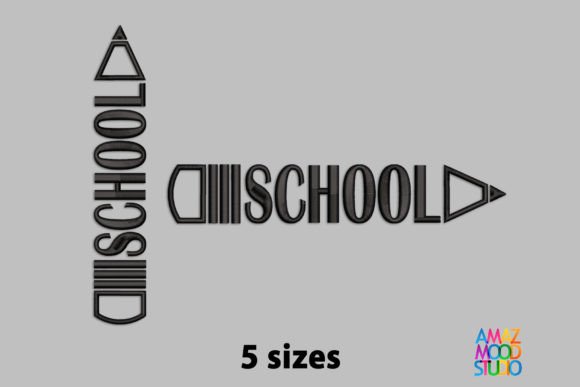
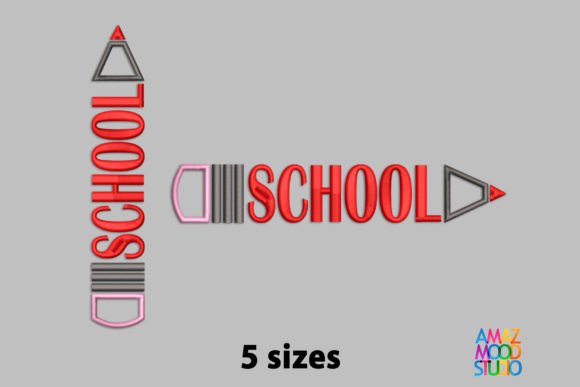
As an embroidery designer evaluating the School Pencil Color machine embroidery design, my first thought is that it strikes a balance between playful and professional. The name itself suggests a vibrant, educational theme, which immediately makes it appealing for Back To School merchandise, but its visual potential stretches beyond seasonal use. The description promises an “adorable” design that works across fabric types—ideal for small business owners looking to add a subtle, approachable brand accent.
From the product title and description alone, this embroidery file feels like a handmade-friendly asset with a touch of modern charm. It doesn't scream bold or rustic, but instead leans into a soft, approachable aesthetic—perfect for boutiques, cafés, or creative studios wanting to communicate warmth and creativity through their merchandise.
Real Business Use: From Patches to Product Packaging Accents
Let’s get into how the School Pencil Color embroidery file performs in actual business applications. Small businesses often need embroidery that's both functional and visually engaging, and this design seems to deliver on both fronts.
- Embroidered patches: This design could be stitched as a standalone patch or integrated into a larger patch layout. Its likely minimal stitch density makes it ideal for sew-on or iron-on patch production.
- Staff uniforms: As a chest or sleeve accent, School Pencil Color adds a subtle branding element that feels professional without overwhelming the garment.
- Apron embroidery: For a bakery or craft studio, this design could serve as a charming detail on aprons, reinforcing a playful yet cohesive brand identity.
- Cap embroidery: Given its likely compact size, it should work well on the front of caps, especially for boutique merchandise or customer giveaways.
- Tote bag design: A tote with this embroidered accent becomes a functional branded item—perfect for handmade brands or local shops.
It also has potential as a product packaging accent when stitched onto fabric tags or small pouches. For Etsy sellers and craft businesses, this kind of detail adds a handmade presentation that boosts perceived product value.
Where to Use It Carefully
While the School Pencil Color embroidery design seems versatile, there are some applications where caution is warranted. Embroidery designers know that even the most charming designs can run into issues when applied without proper testing.
- Small patch sizes: If the design includes fine lines or small lettering, it may not scale well for tiny patches. Always test at the intended size before production.
- Cap fronts: Curved surfaces can distort stitching. Ensure the file maintains clarity when hooped on a cap frame.
- High stitch density: Excessive thread coverage can lead to stiffness or puckering, especially on lighter fabrics.
- Textured fabric: Rough or woven materials may interfere with stitch lay. Use appropriate stabilizer and test samples.
- Dark uniforms: Check thread color contrast thoroughly to ensure visibility and brand consistency.
Brand Identity and Customer Engagement
From a branding perspective, the School Pencil Color embroidery file offers small businesses a way to subtly reinforce their visual identity. It’s not flashy, but rather a design that supports a consistent, cohesive look across merchandise and uniforms.
For a local bakery or creative studio, using this design across aprons, tote bags, and packaging can build customer recognition over time. It contributes to a sense of professionalism, especially when paired with clean typography or other coordinating design assets.
It also plays well in the handmade product space. Etsy sellers and craft entrepreneurs can use it to signal quality and intentionality in their branding—especially when used in combination with printable mockups for product previews.
Practical Embroidery Designer Notes
Before diving into production with the School Pencil Color machine embroidery design, here are some actionable tips from an embroidery designer’s perspective:
- Test in black and white first: Simplify the color scheme to evaluate clarity and proportion before committing to thread colors.
- Check small patch size compatibility: Ensure all elements hold up when reduced—especially if used for labels or tiny merchandise tags.
- Review thread color contrast: Especially important for dark garments or textured fabrics where visibility matters.
- Inspect spacing and outlines: Make sure there’s no bleeding or overlapping stitches that could compromise the design’s integrity.
- Confirm hoop size: Match the file’s dimensions to your machine’s capabilities to avoid distortion or trimming issues.
- Test on real fabric: Don’t rely solely on digital mockups—always stitch a sample on the intended material.
- Use proper stabilizer: Especially when working with stretchy or delicate fabrics to prevent shifting or puckering.
- Create a mockup for client approval: Especially helpful when proposing the design for custom apparel or branded patches.
- Compare with other design assets: Ensure visual harmony if you’re combining this with other logos or embroidery files.
- Confirm commercial licensing: Before using for resale or client work—especially important for digital embroidery file buyers.
Final Thoughts: A Thoughtful Addition to Your Embroidery Library
The School Pencil Color embroidery design is more than just a decorative file—it's a functional design asset with real potential for small business branding. Whether used for embroidered patches, uniform accents, or boutique merchandise, it offers a friendly, approachable look that aligns with a variety of brand identities.
Its strength lies in its simplicity and adaptability. With thoughtful application and proper testing, it can become a go-to element in your commercial embroidery toolkit—especially for small businesses looking to build a consistent, recognizable presence through custom apparel and product design.